
APP infra

Charger selection · 03 min

AC or DC: choosing the right EV charger for the stop
A practical field perspective.

06 / 07

Choose charging around dwell time, vehicle compatibility and site power—not the largest rating on a brochure.

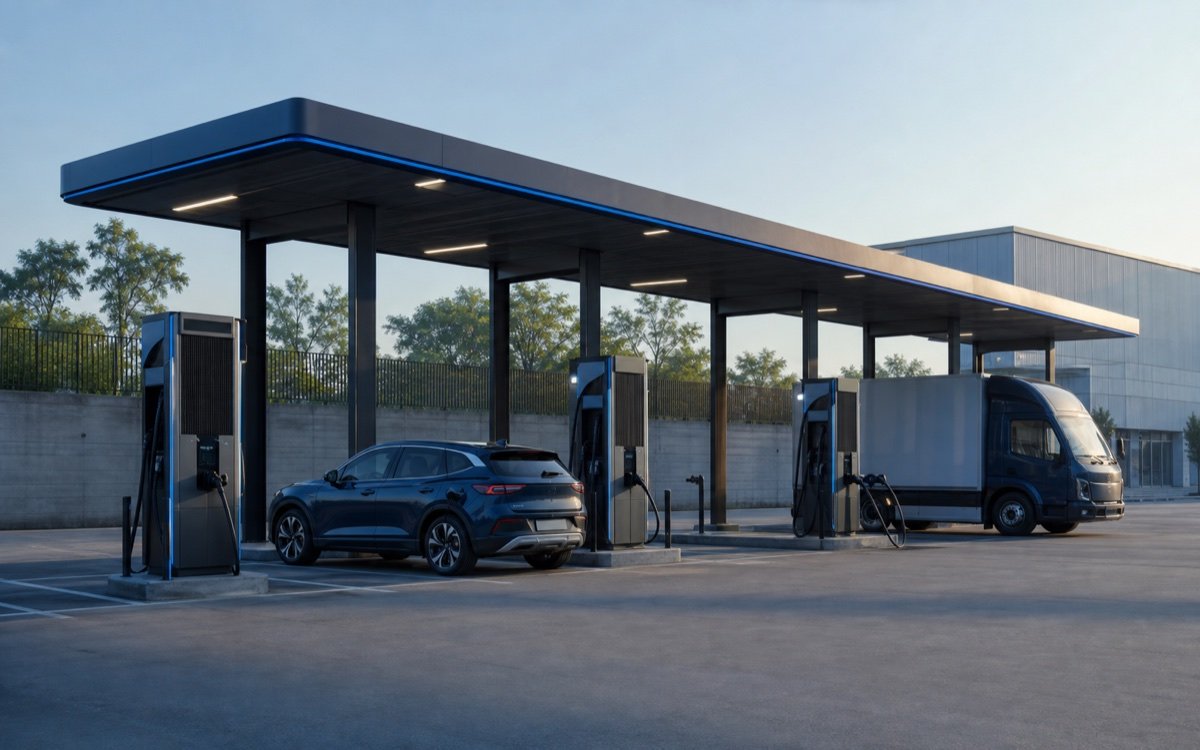
EV charging equipment installed for multiple vehicle needs

Engineering note

Decisions that improve delivery.

01

Begin with the charging window

A resident's vehicle may be parked for many hours, while a highway driver may need a shorter stop. Start with the energy each vehicle must receive and the time it can remain connected. The same site may need different solutions for residents, guests, taxis or delivery vehicles; there is no universally best charger power.

02

Understand the AC and DC distinction

With AC charging, the vehicle's onboard charger converts power for the battery, so the car's own AC acceptance rate matters. A DC charger performs that conversion in the station and can deliver a higher-power session where the vehicle and electrical supply permit it. Actual charging power also changes with vehicle settings, battery state and temperature; a charger rating is not a guaranteed session speed.

03

Match the product to the site's electrical reality

Compare the proposed chargers with available supply, demand profile, distribution equipment, cable route and space for safe operation. A DC option can require a more substantial electrical and civil package, while an AC-first site may need more bays and a clear access policy. Assess the whole installed system rather than comparing cabinet prices alone.

04

Check the user journey

Confirm connector compatibility with the intended vehicles, cable reach, display and instructions, user authentication, payment approach where relevant, and whether the operating software can show faults and usage. For shared sites, clear tariffs and a reliable support process matter as much as peak power. Ask for a demonstration of the complete charging flow before procurement.

05

Make a decision in writing

A selection note should state use case, target vehicle group, dwell time, required energy, simultaneous-use assumption, connector mix, site power constraints and expansion path. From that, the team can compare suitable AC or DC products from more than one supplier. Final equipment and installation must be checked against applicable standards and the approved electrical design.

Continue exploring

Bring the thinking
into the project.

Start with the site

Let’s engineer what’s next.

Request a Free Site Survey