
APP infra

Electrical planning · 03 min

What an EV charging site load assessment should answer
A practical field perspective.

06 / 07

Before buying chargers, establish what the existing supply can support and what expansion will actually require.

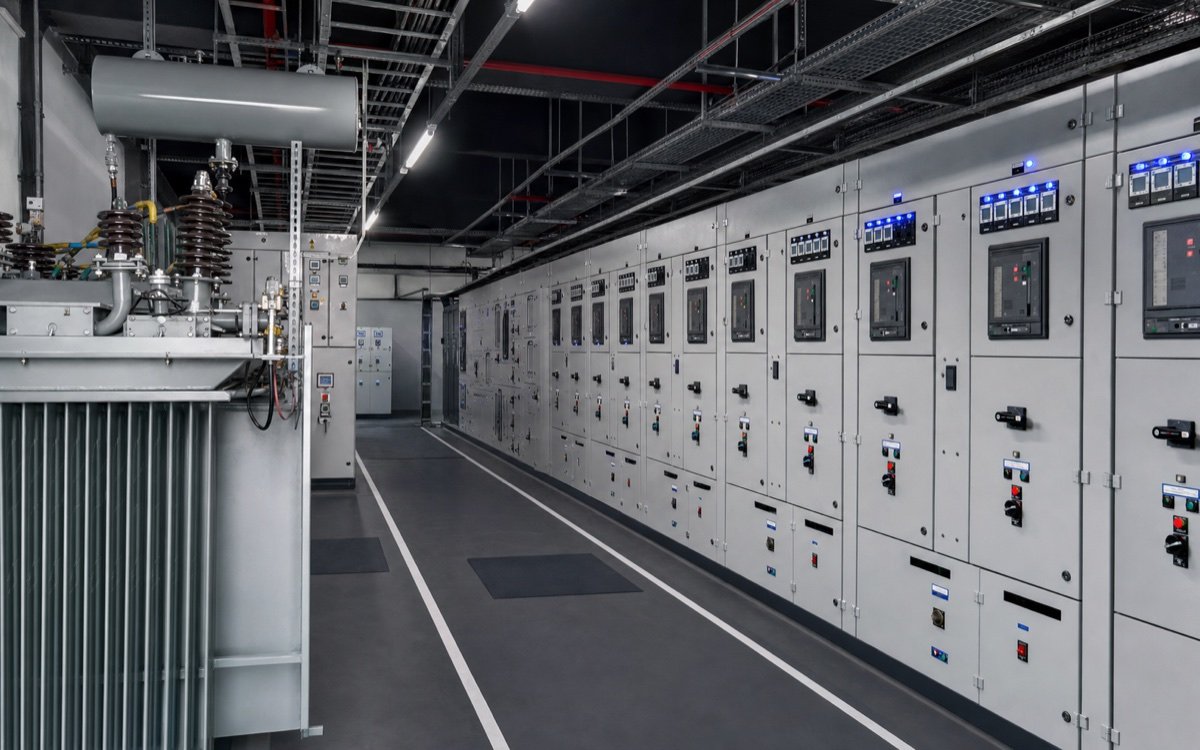
Electrical distribution equipment supporting EV charging infrastructure

Engineering note

Decisions that improve delivery.

01

Collect the baseline

Start with sanctioned load, utility connection details, transformer and panel ratings, protection scheme, recent electricity bills and available demand data. A site walk-through should identify the condition and location of distribution equipment, spare capacity, existing cable congestion and a feasible route to each proposed charger. Missing drawings should be treated as a survey task, not an assumption.

02

Model how charging will be used

List the proposed charger ratings, but also estimate how many vehicles are likely to charge at the same time and for how long. A residential site, a fleet depot and a public fast-charging location can have very different demand patterns. Build a present-day case and a credible expansion case; do not assume every charger either runs continuously at full output or never overlaps.

03

Test the entire electrical path

The study should cover the supply point, transformer, switchgear, protective devices, cables, voltage performance, earthing and the physical installation route. It should identify which elements are adequate, which need verification and which may need replacement or a new connection. The appropriate engineering calculations and statutory checks depend on the site's actual system and local requirements.

04

Turn the result into options

Present practical alternatives such as phased installation, managed simultaneous charging or a supply upgrade. Each option should show its operational limitation, work scope, approval path, indicative programme and cost drivers. This helps the owner decide whether to start smaller, build for expansion now, or pursue extra supply before committing to chargers.

05

Use the assessment to control procurement

A good output is not just a capacity number. It should inform the single-line diagram, charger schedule, BOQ, protection and cable design, civil works and commissioning plan. Recheck assumptions when vehicle mix, bay count or operating hours change. Final design and energisation should follow the applicable safety regulations and utility or local approval conditions.

Continue exploring

Bring the thinking
into the project.

Start with the site

Let’s engineer what’s next.

Request a Free Site Survey